


Ingress
4.130.34K Reviews
App Specs
- Version
- 3.13.1
- Updated On
- License
- Free
- Downloads
- 10,000,000+
- Developer
- Niantic Spatial Inc
- Categories
- Adventure
- Platform
- Android
Screenshots

 Analysis by AppCompare
I first notice the mood before I think about winning. Ingress puts a cool, abstract game layer over familiar streets, making a walk to a local landmark feel like a small expedition. It is an adventure game from Niantic Spatial Inc, and its central appeal is unusually tied to where you are: your surroundings are not merely scenery but part of the play. That makes it a very different kind of mobile game from one I can enjoy entirely on the sofa.
A city map with a mysterious edge
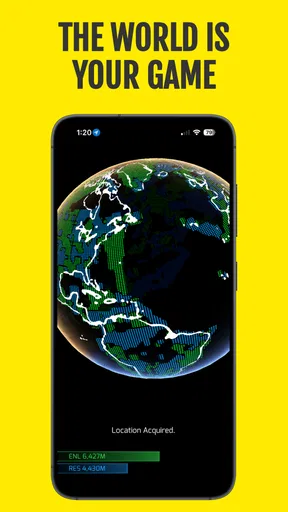
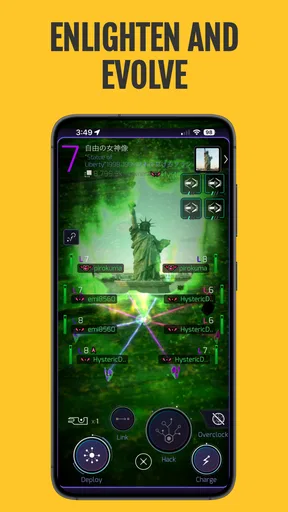
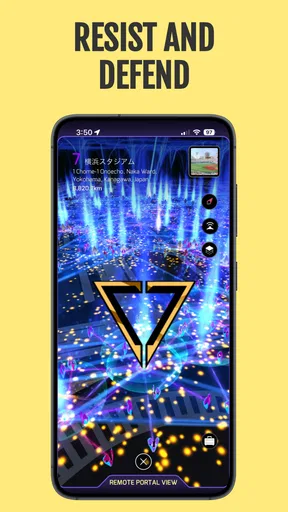
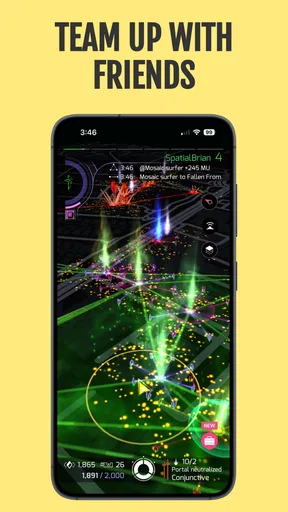
The visual style is restrained rather than realistic. A dark map, bright markers, and connecting lines give the city a secret-network feel without trying to recreate it as a detailed 3D world. I like that choice: the ordinary street remains visible in my imagination while the interface suggests something hidden beneath it. The effect is more intriguing than spectacular, and the map can look busy when several game elements overlap.
That visual language also changes how I read familiar places. A library, statue, or distinctive piece of street art can become a point in a larger pattern, so I start noticing public features I might otherwise pass without a glance. The useful habit is to look at the map before setting out, then choose a route that makes sense on foot rather than chasing every marker. It keeps the game from turning a pleasant outing into aimless backtracking.
Sound, attention, and the pace of a walk
Ingress works best for me when I treat it as a companion to being outside, not as a screen that deserves my full attention every second. The interface’s spare presentation suits that rhythm: check the map, move safely, pause somewhere appropriate, and deal with the game. The real-world setting supplies much of the atmosphere, so the experience does not need constant visual spectacle to make a short walk feel purposeful.
That also points to a practical limitation. If I want a fast game session while waiting indoors, this is a poor fit; the meaningful decisions are attached to physical places. I would not walk while staring at the display, either. I plan a route, stop away from traffic to interact, and keep awareness of people and surroundings ahead of any in-game objective. The game’s mood is strongest when it encourages curiosity rather than haste.
The Concept Behind Ingress
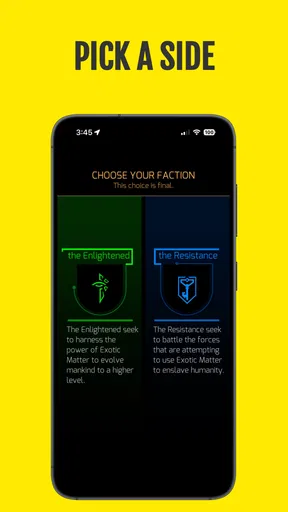
At its core, Ingress is about exploration and teamwork. You choose to align with one of two factions: the Enlightened or the Resistance. The Enlightened believe in using the newfound energy to advance humanity, while the Resistance aims to protect humanity from being controlled by this mysterious force. Your mission, should you choose to accept, is to capture "portals," which are usually tied to real-world landmarks like statues, libraries, and even unique street art.
What’s fascinating is how the game encourages you to explore your surroundings. You might find yourself wandering into parts of town you’ve never been to, discovering hidden gems along the way. It gives a whole new meaning to "taking the scenic route."
Worth Reading Before You Choose

Flipboard Shows What News Apps Must Do Beyond the Feed

Switching to Android Auto Means Rethinking Your Driving Routine

Google Calendar Makes a Crowded Week Easier to Manage

Ludo King Makes the Most of the Minutes Between Plans

Baby Panda World Brings Quick Play to Modern Phones, but Its Game Library Feels Busy

ESPN’s Live Game View Makes Following Close Games Easier
Gameplay Mechanics
The gameplay is pretty straightforward but offers a lot of depth. You use your phone to locate and capture portals for your faction. To do this, you’ll need to hack them, deploy resonators, and link portals together to create control fields. Sounds simple, right? Well, not so fast. It’s a game of strategy, and the opposing faction is always plotting to take back what you’ve captured.
A small planning habit makes a difference: I look for a sensible sequence of nearby portals instead of treating each one as an isolated destination. Linking them into fields makes geography part of the puzzle, so the best move may be to save a portal for later rather than capture everything in the order I encounter it. This is one reason the game can reward a player who enjoys thinking about routes and shared objectives, not just collecting points of interest.
It is also worth deciding early what kind of commitment I want. A casual player can explore and interact at their own pace, while someone who wants to coordinate territory with a faction may find that communication and timing matter more. The social side can be a highlight, but it is not a requirement for every outing. If I prefer a completely solitary experience with no changing opposition, a single-player exploration game is likely a more comfortable choice.
One of the most engaging aspects of Ingress is how it fosters a sense of community. You’re not just playing a game; you’re part of a global network. Players often organize meet-ups and events, turning virtual connections into real-world friendships. It’s more than just tapping on your screen; it’s about building alliances and executing coordinated strategies.
Choosing it over other location games
Compared with a typical adventure game that keeps its world inside the phone, Ingress asks me to travel through the real one. Compared with a casual location-based game built around quick collection, its faction conflict and portal links put more weight on territory and planning. That is a distinctive trade-off: a neighborhood walk can feel purposeful, but the game is less convenient when I cannot or do not want to go outside.
For an everyday example, I might take a longer route home through a walkable area, check which portals make a useful sequence, and stop at safe places to interact. If the route is crowded, the weather is unpleasant, or I am short on time, I would skip the detour rather than let the game dictate my plans. Its best use is adding a playful reason to explore a place I already have a reason to visit, not making every errand revolve around the map.
New players should expect a learning curve around the game’s terms and the relationship between hacking, resonators, links, and fields. I found it easier to focus on one action at a time and learn how it affects nearby portals before trying to plan an ambitious route. The map tells a strategic story, but it takes a little patience to read that story well.
Visuals and User Interface
Visually, Ingress takes a minimalist approach. The map interface is sleek, with a dark color palette that highlights the portals and links. It might not be as flashy as other mobile games, but it’s effective and keeps your focus on the gameplay.
The user interface is pretty intuitive, though it might take a bit of time for new players to get the hang of all the elements. Once you’re familiar, it becomes second nature, allowing you to focus on the strategy rather than figuring out the controls.
The map is most useful when I treat it as a planning tool rather than a promise that every trip will be equally rewarding. I check whether the visible portals form a realistic walking loop, leave room to notice what is around me, and avoid pressing on simply because a marker is nearby. That approach reduces wasted detours and keeps the game’s urban discovery at the center of the experience.
Challenges and Rewards
What keeps players coming back is the challenge of outsmarting the opposing faction. There’s a real sense of accomplishment when you successfully capture a portal or set up a control field. The game rewards you with badges for various achievements, adding an extra layer of incentive to keep exploring and capturing.
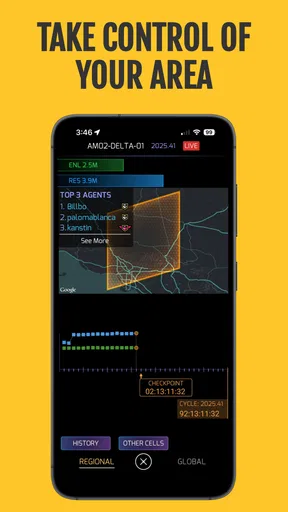
That competition is also the source of some uncertainty. Territory can change, so an area I helped build may not stay that way. I see this as a strength if I enjoy a living contest and a weakness if I need permanent progress or dislike seeing work undone. It helps to value the route, planning, and discoveries along the way, rather than judging a session only by whether the map remains unchanged afterward.
For anyone wondering whether they need to play with other people, I would say the game can be approached alone, but its faction premise gives coordination a different texture. Shared plans can make larger patterns possible, while solo play is better suited to learning the interface and exploring at a relaxed pace. I would not join a group just to keep up; the right level of involvement is the one that makes going out enjoyable.
Moreover, Ingress continuously updates with new challenges and seasonal events, ensuring that there’s always something fresh to engage with. This constant evolution keeps the gameplay exciting and unpredictable, which is a huge plus in my book.
Who will enjoy the atmosphere
This is a strong pick for someone who already likes walking, noticing local landmarks, and having a light strategic goal along the way. It can also suit players who enjoy team identity and a contest that unfolds across real places. I would be more cautious recommending it to someone who wants a complete experience from home, dislikes location-based play, or prefers a tightly scripted adventure with a fixed ending. Ingress asks for curiosity and flexibility more than a long uninterrupted session.
The game is free to download and is rated Everyone, so it is broadly approachable, though in-app purchases are available from $0.99 to $99.99 per item. I would decide whether I enjoy the core loop before spending anything; the appeal is in exploring and making choices, not in buying my way into a better walk. It has a 4.0 average from around 440,000 ratings, and more than 10 million installs, which suggests a substantial audience without guaranteeing that its particular style will suit every player.
Practical fit before you set out
Ingress is currently at version 3.4.1 and requires Android 10 or later. Before planning a long session, I would check that my device meets that requirement and that I have a comfortable, safe route in mind. The most satisfying outing does not need to be long: a few nearby portals can provide a clear goal, while a sprawling route can become tiring if I am trying to fit it around an ordinary day.
My simplest tip is to separate navigation from interaction. Decide where you are going while stationary, put the phone away as you walk, and stop somewhere safe before making a move. It sounds basic, but it protects the very thing the game does well: making me more aware of a city rather than less aware of it. If a portal would require entering an unsuitable or private place, I would leave it alone; no in-game objective is worth ignoring good judgment.
Final Thoughts
Overall, Ingress is more than just a game; it’s an experience. It takes the concept of augmented reality and uses it to transform the everyday world into something extraordinary. Whether you’re a seasoned gamer or someone just looking to shake up their routine, it offers something for everyone.
If you’re ready to see your city in a whole new light and be part of a global community, give Ingress a try. Trust me, it’s an adventure worth embarking on.
My recommendation comes with one clear condition: enjoy the idea of taking a walk for its own sake. The game can give that walk a faction, a route, and a reason to pay attention to familiar details, but it cannot make an inconvenient location or an unwanted outing feel convenient. For me, the restrained art direction and real-world pace fit together best when I am free to explore without rushing. If that sounds appealing, it is an unusual and memorable way to turn ordinary streets into a playable setting.
Pros
- Innovative AR gameplay experience.
- Strong community and social features.
- Regular events keep it engaging.
- Easy to navigate interface.
- Encourages physical activity.
Cons
- Requires constant internet connection.
- Battery drain can be significant.
- Steep learning curve for beginners.
- Limited offline functionality.
- Complex in-game mechanics.
FAQs for Ingress
What is Ingress and how does it work?
Ingress is an augmented reality mobile game developed by Niantic. Players choose between two factions, the Enlightened and the Resistance, and use their devices to capture and link real-world locations, called Portals. The game encourages exploration, strategy, and teamwork as players compete to control territories globally.
Is Ingress free to play?
Yes, Ingress is free to download and play on both Android and iOS devices. However, it does offer in-app purchases for items that can enhance gameplay. These purchases are optional and primarily provide convenience or cosmetic upgrades, ensuring that the core game remains accessible to all players.
What are the system requirements for Ingress?
Ingress requires a smartphone with GPS and an internet connection. For Android users, the game is compatible with devices running Android 5.0 and up. iOS users need a device running iOS 10.0 or later. A stable internet connection is crucial for real-time gameplay and location-based interactions.
Can I play Ingress offline?
No, Ingress requires an active internet connection to play. The game relies on real-time data and GPS to function, meaning that players need a reliable mobile data or Wi-Fi connection to interact with Portals, communicate with teammates, and participate in events.
Is Ingress safe for children?
Ingress is rated for players aged 13 and up. It encourages outdoor activity and collaboration, but parents should be aware of the location-based nature of the game. It's important to discuss boundaries and safety with younger players, ensuring they understand not to venture into unsafe areas while playing.


